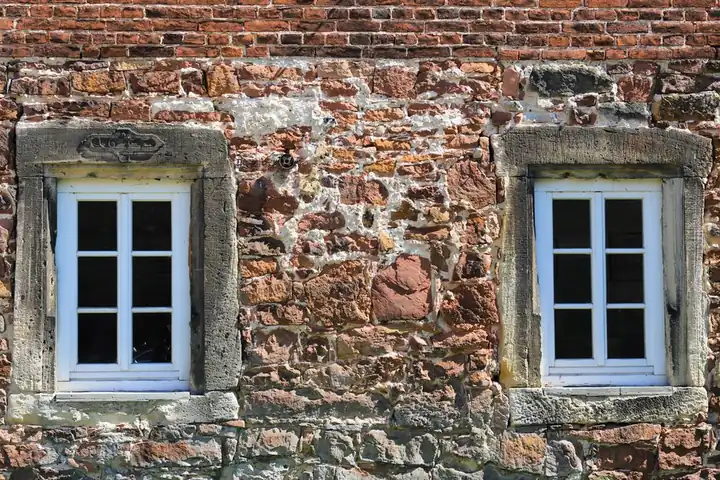
Houses built in the 1930s in Rhode Island often experience higher rates of mouse infestations compared to newer constructions. The combination of outdated building materials, structural vulnerabilities, and environmental factors contributes significantly to this issue.
Rodent Control in Rhode Island is essential for homeowners dealing with these persistent problems. This post explores the reasons behind the increased mouse activity in older homes and offers practical solutions for rodent management.
Why Do Older Homes Attract More Mice?
Older homes, particularly those built in the 1930s, tend to attract more mice than newer ones due to several factors. These homes often have more gaps, cracks, and openings that allow easy access for rodents seeking food and shelter.
Common Entry Points for Mice in Older Homes
In homes from the 1930s, mice often enter through common entry points that may not be as prevalent in newer constructions. These include:
- Unsealed gaps around windows and doors
- Cracks in the foundation
- Vents and exhaust pipes
- Holes in walls, especially around plumbing
Addressing these vulnerabilities through rodent exclusion in Rhode Island can significantly reduce the chances of an infestation.
Differences in Construction Materials
The construction materials used in the 1930s differ greatly from those used in modern homes. Older homes often feature wood framing, which is more susceptible to damage and decay, creating additional entry points for mice. In contrast, newer homes typically utilize more durable materials and construction techniques that minimize such vulnerabilities.
The Impact of Landscaping on Rodent Activity
Landscaping plays a crucial role in attracting rodents. In older neighborhoods, overgrown shrubs and trees can provide excellent hiding spots for mice. Homeowners in Rhode Island should maintain their gardens to reduce potential rodent habitats. Keeping grass trimmed and removing debris can discourage mice from nesting near your home.
Signs of a Rodent Infestation
Identifying a rodent infestation early can save homeowners significant trouble. Look for these signs:
- Droppings near food sources or entry points
- Nesting materials such as shredded paper or fabric
- Gnaw marks on food packaging or furniture
- Strange noises in the walls or attic
If you notice these signs, it may be time to contact a mouse exterminator in Rhode Island for assistance.
What to Do If You Have Mice
If you suspect a mouse infestation, there are several steps you can take:
- Seal entry points around your home.
- Set traps in areas where you have noticed activity.
- Remove food sources by storing food in airtight containers.
- Maintain cleanliness to deter rodents.
For more serious infestations, consider reaching out to a professional for help. Our Residential Rodent Control in Rhode Island services can effectively address and eliminate rodent problems.
When to Call a Professional
Homeowners should call a professional when they notice signs of a significant infestation or if DIY methods fail to resolve the issue. Professionals can provide a comprehensive assessment of your home and implement effective rodent control measures.
Frequently Asked Questions
1. How can I prevent mice from entering my home? Preventing mice involves sealing entry points, maintaining cleanliness, and removing food sources. Regular inspections can also help identify vulnerabilities.
2. What are the costs associated with rodent control? In 2026, typical costs for rodent control services in Rhode Island range from $150 to $500, depending on the severity of the infestation and the services required.
3. How often should I inspect my home for rodents? It's advisable to inspect your home for rodents at least twice a year, especially in the fall and spring when they are most active.
4. Can I use homemade traps for mice? Yes, homemade traps can be effective. However, professional traps often provide better results and safety.
5. What should I do with dead rodents? Dead rodents should be handled carefully. Contact a professional for dead rodent removal in Rhode Island to ensure safe disposal.