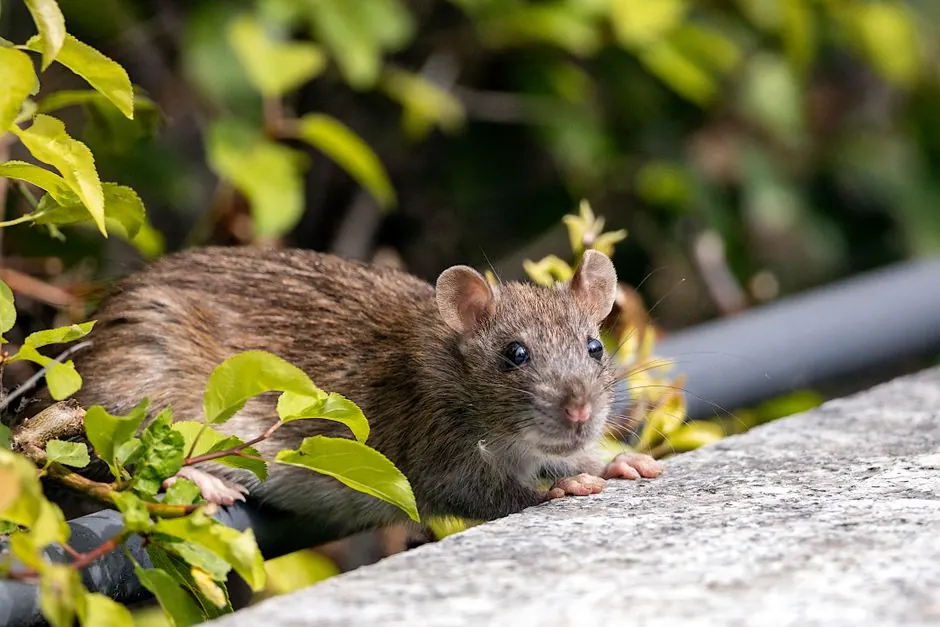
Rodent bait is a substance used to attract and kill rodents, and Rhode Island exterminators primarily use anticoagulant and non-anticoagulant baits. Understanding the types of bait available and their safety around pets is crucial for homeowners dealing with rodent issues.
This article will explore the types of bait commonly used by exterminators in Rhode Island, their effectiveness, and how to ensure the safety of your pets while managing a rodent problem.
What is Rodent Bait?
Rodent bait is a type of pesticide designed to lure and eliminate rodents, including rats and mice. It typically comes in various forms, such as pellets, blocks, or liquids, and can be placed in areas where rodent activity is suspected.
Types of Bait Used by Rhode Island Exterminators
Exterminators in Rhode Island utilize a variety of baits, each with specific applications:
- Anticoagulant Baits: These baits cause internal bleeding in rodents, leading to death over several days. They are effective for chronic infestations and are often used in residential settings.
- Non-Anticoagulant Baits: These baits kill rodents quickly, usually within a few hours. They are often preferred in situations where immediate results are needed.
- Natural Baits: Some exterminators opt for natural or organic baits, which are less harmful to the environment and pets. These may include ingredients like essential oils or plant extracts.
Many homeowners in areas like Barrington often ask about the effectiveness of different baits. Anticoagulant baits are generally more effective for long-term control, while non-anticoagulant options are suited for urgent situations.
Is Rodent Bait Safe Around Pets?
The safety of rodent bait around pets varies depending on the type of bait used. Anticoagulant baits can pose serious risks to pets if ingested, leading to severe health issues or even death. Non-anticoagulant baits, while faster-acting, can also be dangerous.
To ensure safety, it's essential to follow these guidelines:
- Keep bait out of reach of pets. Place bait in tamper-resistant bait stations.
- Monitor your pets closely after treatment, especially if they roam freely outdoors.
- Consult your exterminator about pet-safe options, especially if you have small animals or multiple pets.
Common Mistakes When Using Rodent Bait
Homeowners often make several mistakes when using rodent bait:
- Improper Placement: Bait should be placed in areas where rodent activity is evident, not just randomly around the home.
- Ignoring Instructions: Each bait product comes with specific usage instructions. Following these can significantly increase effectiveness and safety.
- Assuming All Baits Are Safe: Not all baits are pet-friendly. Always check the label or consult with your exterminator.
When to Call a Professional
Calling a professional for rodent control is advisable when you notice signs of a significant infestation, such as droppings, gnaw marks, or nests. Rodent Control Rhode Island can assess your situation and recommend appropriate bait and treatment options.
Frequently Asked Questions
1. What types of bait are safe for pets? Natural baits are generally safer for pets, but always consult with your exterminator for specific recommendations.
2. How long does it take for rodent bait to work? Anticoagulant baits may take several days to show results, while non-anticoagulant baits can work within hours.
3. Can I use rodent bait indoors? Yes, but it must be placed in areas inaccessible to pets and children.
4. What should I do if my pet ingests rodent bait? Contact your veterinarian immediately for guidance and potential treatment options.
5. How often should I replace rodent bait? Bait should be checked regularly and replaced as needed, typically every 30 days or sooner if it is consumed.
Get Help with Rodent Control in Rhode Island
For effective rodent control solutions, contact Rodent Control Rhode Island. Our team is ready to help you manage rodent issues safely and effectively.