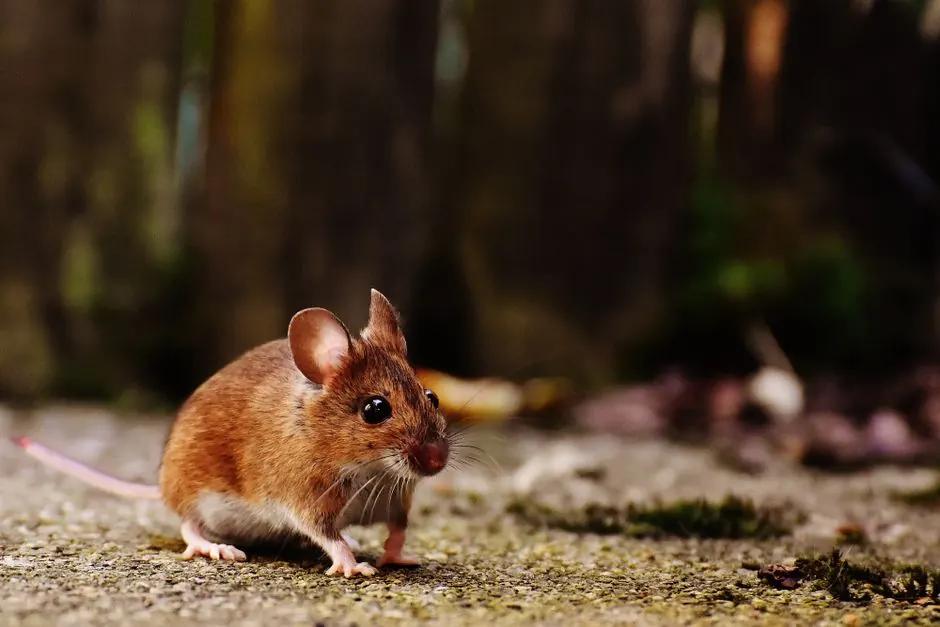
Mice and rats in Rhode Island can carry several diseases that pose significant health risks to humans. Understanding these diseases is crucial for effective rodent control and prevention.
Rodent control is essential for maintaining a safe and healthy environment, especially in residential areas. This article explores the diseases carried by mice and rats in Rhode Island, their effects on human health, and preventive measures you can take.
What Diseases Do Mice and Rats Carry?
Mice and rats are known carriers of various diseases, including hantavirus, leptospirosis, and salmonella. Each of these diseases can have serious implications for human health, making it crucial to understand their transmission and prevention.
How Do These Diseases Affect Humans?
The impact of rodent-borne diseases on human health can range from mild to severe, depending on the disease and the individual's health condition. For instance, hantavirus can lead to respiratory distress, while leptospirosis can cause liver damage.
Common Rodent Diseases in Rhode Island
In Rhode Island, several diseases are particularly prevalent among rodent populations:
- Hantavirus: Transmitted through contact with rodent droppings, urine, or saliva, it can cause hantavirus pulmonary syndrome (HPS), a serious respiratory disease.
- Leptospirosis: This bacterial infection can be contracted through water contaminated with rodent urine, leading to symptoms like fever and muscle aches.
- Salmonella: Rodents can spread this bacteria through food contamination, causing gastrointestinal illness.
- Lymphocytic choriomeningitis (LCMV): This viral infection can be transmitted through contact with infected rodents or their droppings, leading to flu-like symptoms and, in severe cases, neurological issues.
These diseases highlight the importance of effective Residential Rodent Control in Rhode Island to minimize health risks.
How to Prevent Rodent-Borne Diseases
Preventing rodent-borne diseases involves a combination of sanitation and exclusion methods:
- Seal entry points in your home to prevent rodents from entering.
- Keep food stored in airtight containers to avoid attracting rodents.
- Maintain cleanliness in your home, especially in kitchens and dining areas.
- Regularly inspect and clean areas where rodents may nest.
Implementing these strategies can significantly reduce the risk of rodent infestations and the diseases they carry.
When to Call a Professional
If you suspect a rodent infestation in your home or business, it's essential to contact a professional. Rodent Control Rhode Island specializes in effective rodent management and disease prevention. Our team can conduct a thorough inspection and provide tailored solutions to keep your environment safe.
Frequently Asked Questions
1. What are the symptoms of hantavirus infection?
The symptoms of hantavirus infection include fever, muscle aches, and respiratory issues, which can develop into severe respiratory distress.
2. How can I identify a rodent infestation?
Signs of a rodent infestation include droppings, gnaw marks, and nests made of shredded materials.
3. Are rodent diseases contagious?
Rodent diseases can be transmitted to humans through direct contact with infected rodents or their droppings, urine, or saliva.
4. What should I do if I find rodent droppings?
If you find rodent droppings, avoid direct contact and clean the area with disinfectant. Consider contacting a professional for assistance.
5. How often should I inspect for rodents?
Regular inspections, at least once every three months, can help catch infestations early and prevent disease spread.