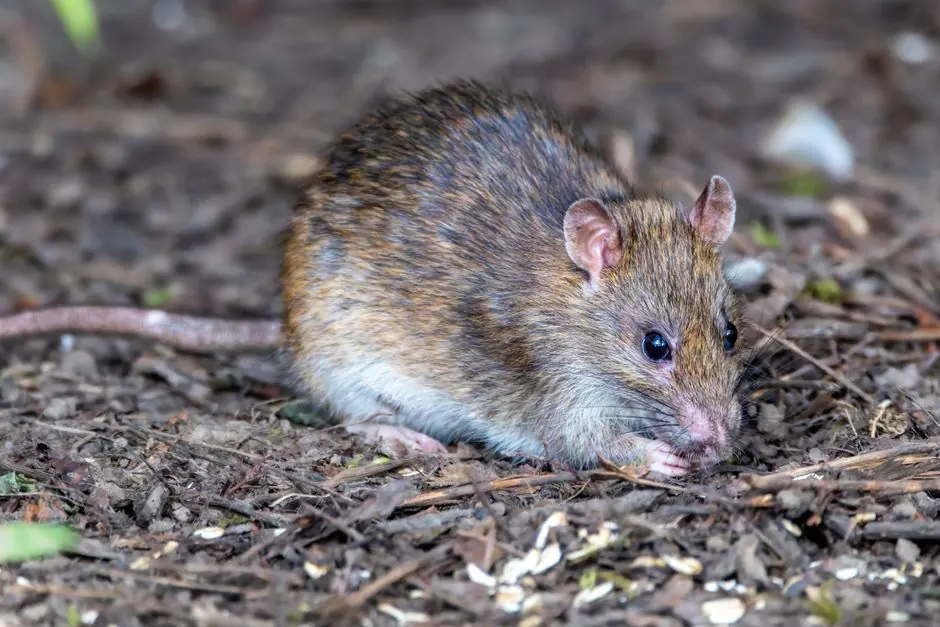
Reading rodent droppings in an old Rhode Island basement can reveal crucial information about a rodent infestation. Identifying the type and amount of droppings helps determine the species and the severity of the problem.
Rodent droppings are a clear sign of their presence and can guide homeowners in taking appropriate action. This article will explore how to identify rodent droppings, what they indicate about your home, and when to seek professional help.
What Are Rodent Droppings?
Rodent droppings are fecal pellets left behind by rodents such as mice and rats. These droppings are not only a sign of rodent activity but can also indicate the species of rodent present.
Identifying Common Types of Rodent Droppings
In Rhode Island, homeowners may encounter droppings from various rodents, including:
- Mice: Small, about 1/8 to 1/4 inch long, with pointed ends.
- Rats: Larger, typically 1/2 to 3/4 inch long, with blunt ends.
- Squirrels: Larger than mice, about 1/2 inch long, with a more cylindrical shape.
Identifying the droppings accurately is essential for effective Residential Rodent Control in Rhode Island.
What Do Rodent Droppings Indicate?
The presence of rodent droppings indicates an active infestation. A few droppings may suggest occasional visitors, while a large number indicates a significant problem. The location of the droppings can also provide insight:
- Near food sources: Indicates that rodents are actively foraging.
- Along walls or hidden areas: Suggests nesting behavior.
In older homes, especially in areas like Bristol, where basements may be less maintained, droppings can accumulate quickly.
Health Risks Associated with Rodent Droppings
Rodent droppings pose significant health risks. They can carry diseases such as hantavirus, leptospirosis, and salmonella. Inhaling dust contaminated with droppings can lead to respiratory issues. It's crucial to handle droppings safely:
- Use gloves and a mask when cleaning.
- Disinfect the area thoroughly after removal.
For extensive infestations, consider contacting a Mouse Exterminator in Rhode Island.
Common Mistakes When Handling Rodent Droppings
Many homeowners make mistakes when dealing with rodent droppings:
- Ignoring the problem: Failing to act can lead to worsening infestations.
- Improper cleanup: Not using protective gear can expose you to health risks.
Understanding these mistakes can help you take the right steps towards effective Rodent Droppings Cleanup in Rhode Island.
When to Call a Professional
Calling a professional is advisable if you notice a large number of droppings or if you are unsure how to handle the situation. Experts can assess the infestation and provide tailored solutions. Rodent Control Rhode Island offers comprehensive services to address these issues effectively.
Frequently Asked Questions
1. How can I tell if I have a rodent problem? Look for droppings, gnaw marks, or nests in hidden areas of your home.
2. What should I do if I find rodent droppings? Wear gloves and a mask, and clean the area with disinfectant. Consider contacting a professional for assistance.
3. Are rodent droppings dangerous? Yes, they can carry diseases and pose health risks, especially if disturbed.
4. How much does rodent control cost in Rhode Island? Typical costs range from $200 to $500 depending on the severity of the infestation and the services required.
5. Can I handle rodent droppings myself? Yes, but take precautions such as wearing gloves and a mask. For large infestations, hire a professional.
Get Help with Rodent Control in Rhode Island
If you're dealing with rodent droppings in your basement, it's time to act. Contact Rodent Control Rhode Island for expert assistance in managing your rodent problem.