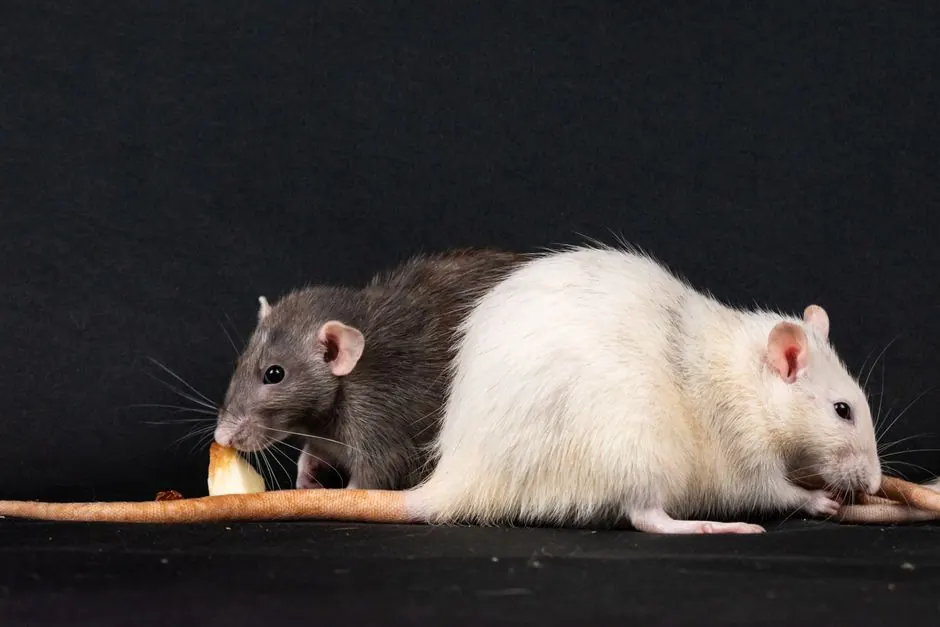
Peppermint oil will not effectively control rodent populations during a Rhode Island winter. While it is often touted as a natural repellent, the harsh conditions and behaviors of rodents render it ineffective.
This article delves into why peppermint oil fails as a rodent deterrent in Rhode Island's winter months and explores effective alternatives for homeowners.
Why Peppermint Oil Fails in Winter
Peppermint oil is a natural substance derived from the peppermint plant, often used for its aromatic and purported pest-repelling properties. However, during the winter months, rodents seek warmth and shelter, making them less susceptible to such scents.
Rodents, including mice and rats, are driven by survival instincts. In the cold of winter, they prioritize finding food and warmth over avoiding peppermint oil. Furthermore, the potency of peppermint oil diminishes significantly in low temperatures, reducing its effectiveness as a deterrent.
Understanding Rodent Behavior in Winter
In Rhode Island, winter temperatures can drop to the low 20s Fahrenheit, prompting rodents to seek refuge indoors. Common areas where they invade include attics, basements, and even walls. Understanding this behavior is crucial for effective rodent control.
Rodents are not just looking for warmth; they are also searching for food sources. This means that even if you use peppermint oil, if food is accessible, rodents will likely ignore the scent. They are particularly attracted to grains, seeds, and food scraps, making proper storage essential.
Effective Rodent Control Methods
To effectively manage rodent populations in Rhode Island during winter, consider the following methods:
- Rodent Exclusion: Seal entry points around your home. This includes gaps in doors, windows, and foundations. Small openings can be a gateway for rodents.
- Trapping: Use traps to catch rodents. Snap traps and glue traps are common and can be effective if placed strategically where rodent activity is noted.
- Professional Services: Hiring a professional Residential Rodent Control in Rhode Island can provide tailored solutions for your specific situation.
- Sanitation: Keep your home clean and free of food debris. Regularly check for any potential food sources that might attract rodents.
Common Mistakes in Rodent Control
Many homeowners make mistakes when attempting to control rodent populations. Here are some common pitfalls:
- Relying solely on natural repellents like peppermint oil without addressing structural vulnerabilities.
- Neglecting to maintain cleanliness, which can attract rodents.
- Using traps incorrectly or placing them in ineffective locations.
- Underestimating the size of the rodent population, leading to insufficient measures.
When to Call a Professional
If rodent activity persists despite your efforts, it may be time to call a professional. Services like Mouse Exterminator in Rhode Island can provide a thorough inspection and effective treatment options tailored to your home.
Professional services not only address current infestations but also help prevent future ones through comprehensive strategies.
Frequently Asked Questions
1. How effective is peppermint oil against rodents?
Peppermint oil is not effective in deterring rodents, especially in winter when they seek warmth and food.
2. What are the signs of a rodent infestation?
Signs include droppings, gnaw marks, and nests. You may also hear scratching noises in walls or ceilings.
3. What is the best way to prevent rodent infestations?
Prevent infestations by sealing entry points, maintaining cleanliness, and addressing food sources.
4. How much does professional rodent control cost in Rhode Island?
Typical pricing for rodent control services in Rhode Island ranges from $150 to $500, depending on the severity of the infestation.
5. Can I handle a rodent infestation myself?
While DIY methods can be effective, professional assistance may be necessary for larger infestations.